

This restorative treatment boosts energy, strengthens immunity, enhances hydration, and supports overall wellness from within.
Whether you want faster recovery, improved daily performance, or a much-needed refresh, IV vitamins offer an effective way to feel revitalized, balanced, and renewed.
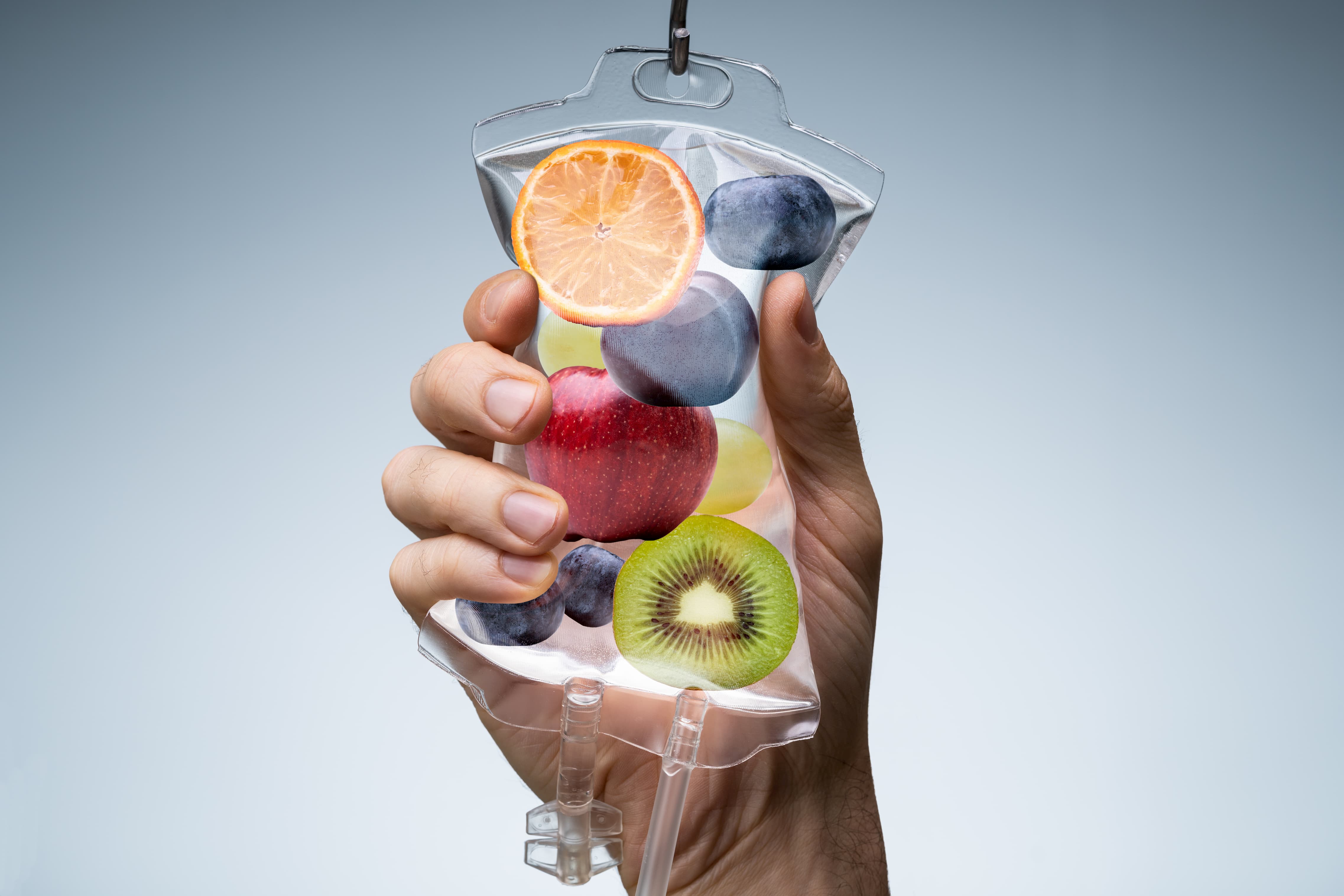
We offer a variety of vitamin injections, each designed to support specific wellness needs. Every option is carefully formulated to deliver targeted benefits for your mind and body. Our goal is to help you optimize your health, elevate your vitality, and feel your absolute best.
Let’s explore the benefits of the essential nutrients available through our nutrition services at Balance Medical Care.
Postpartum Depression
.png)
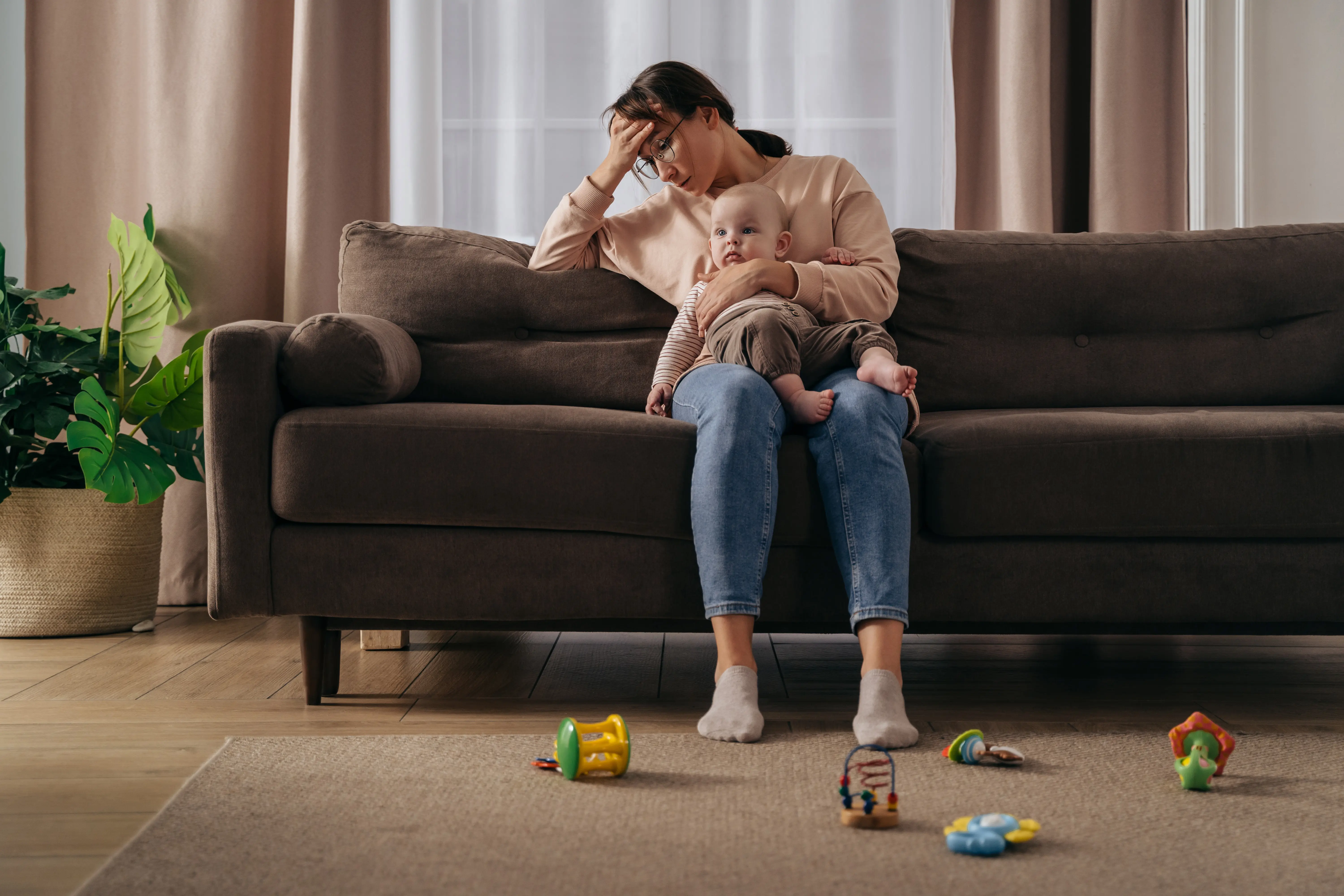
At Balance Medical Care, we understand that postpartum depression is more than “baby blues”—it’s a real, overwhelming condition that affects both emotional and physical well-being. Our team provides kind, judgment-free support for new mothers experiencing sadness, anxiety, mood changes, or feelings of disconnection. With personalized treatment plans, hormonal evaluation, and ongoing guidance, we help you navigate healing with clarity, comfort, and confidence.
What Is Postpartum Depression?
Postpartum depression (PPD) is a mood disorder that can develop during pregnancy or within the first year after childbirth. It often results from a combination of hormonal shifts, physical changes, emotional stress, and sleep disruption. Unlike short-term “baby blues,” postpartum depression is more intense and longer lasting, often requiring supportive medical care. At Balance Medical Care, we evaluate your symptoms, hormone levels, lifestyle factors, and emotional stressors to create an individualized path toward recovery.
Treatment for Postpartum Depression
Care for Postpartum Depression focuses on understanding the emotional and physical shifts that occur after childbirth and how they affect daily functioning. Treatment may include counseling, medication support, lifestyle guidance, and routine check-ins to help ease feelings of sadness, anxiety, or overwhelm. Providers work with each individual to identify triggers, strengthen coping strategies, and create a plan that supports mental wellbeing during this transitional phase.
Symptoms of Postpartum Depression
Postpartum Depression can appear in many ways and may develop gradually or suddenly.
- Persistent sadness or hopelessness
- Loss of interest in usual activities
- Difficulty bonding with the baby
- Changes in sleep or appetite
- Irritability or mood swings
- Anxiety or intrusive thoughts
Support for Postpartum Depression encourages emotional balance, strengthens daily coping, and promotes a more stable and connected postpartum experience.

FAQ
FAQs
Answers to your frequently asked questions.