
This restorative treatment boosts energy, strengthens immunity, enhances hydration, and supports overall wellness from within.
Whether you want faster recovery, improved daily performance, or a much-needed refresh, IV vitamins offer an effective way to feel revitalized, balanced, and renewed.

We offer a variety of vitamin injections, each designed to support specific wellness needs. Every option is carefully formulated to deliver targeted benefits for your mind and body. Our goal is to help you optimize your health, elevate your vitality, and feel your absolute best.
Let’s explore the benefits of the essential nutrients available through our nutrition services at Balance Medical Care.
Lung Cancer
.png)

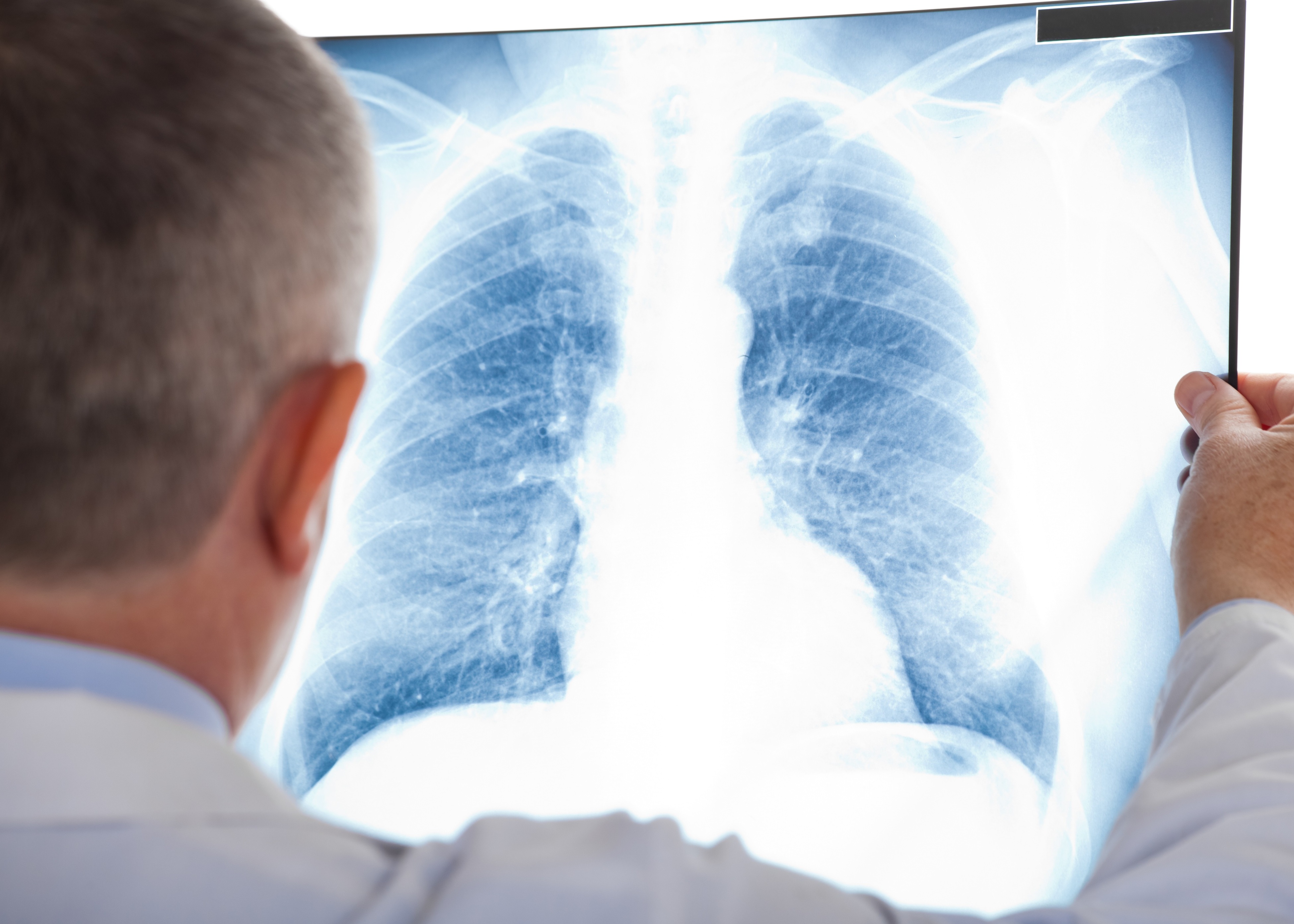
Lung Cancer evaluation focuses on identifying early symptoms, assessing risk factors, and guiding patients through appropriate imaging and testing. Through physical evaluation, low-dose CT scan referrals, symptom review, and personalized recommendations, this service supports early detection and timely follow-up. Each visit is approached with clarity, care, and a strong emphasis on long-term lung health.
What is Lung Cancer?
This condition develops when abnormal cells grow within the lungs, forming tumors that interfere with breathing and overall lung function. Early stages often cause mild or subtle symptoms that may be overlooked, making timely evaluation essential. When detected early, treatment options are broader and outcomes are significantly more favorable.
Treatment for
Treatment for Lung Cancer
Cells inside the lungs can become damaged by smoking, environmental exposures, genetics, or chronic inflammation. Over time, these abnormal cells multiply and form tumors that may spread if not identified early. Evaluation includes imaging tests, oxygen level assessment, symptom review, and specialist referrals when needed. Early action helps guide a clear and effective plan forward.
Symptoms of Lung Cancer
Evaluation helps investigate and monitor concerns such as:
- Chronic cough
- Chest discomfort
- Shortness of breath
- Unexplained weight loss
- Fatigue and weakness
- Coughing up blood
Follow-up visits help review results promptly, guide testing decisions, and ensure you understand each step of the process so care remains clear and well-supported.

FAQ
FAQs
Answers to your frequently asked questions.